Green Lantern #76 (1970): The Comic That Changed Everything
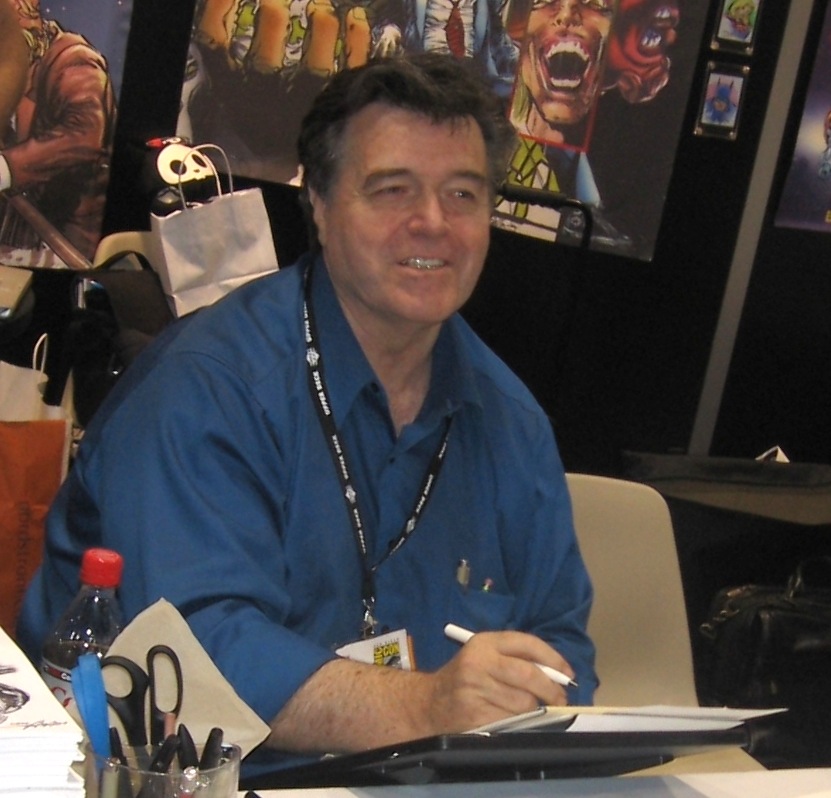
Photo by Doczilla, CC BY-SA 3.0, via Wikimedia Commons
The Day Superheroes Got Real
In April 1970, a comic book hit newsstands that did something nobody expected. Green Lantern, the guy who fights aliens with a magic ring, walked through an inner-city neighborhood and got called out by an elderly Black man.
"I been readin' about you," the man said. "How you work for the blue skins. And how on a planet someplace you helped out the orange skins. And you done considerable for the purple skins! Only there's skins you never bothered with... the black skins! I want to know... how come?!"
Green Lantern had no answer. Neither did most of the comic book industry. That scene, from Green Lantern #76, changed the direction of American comics. Writer Denny O'Neil and artist Neal Adams didn't just tell a superhero story. They held up a mirror.
Quick Value Summary
| Grade | Approximate Value |
|---|---|
| GD 2.0 | $150 |
| VG 4.0 | $250 |
| FN 6.0 | $350 |
| VF 8.0 | $725 |
| VF/NM 9.0 | $2,850 |
| NM- 9.2 | $2,750 |
| NM 9.4 | $3,700 |
| NM+ 9.6 | $6,900 (recent CGC sale) |
| NM/MT 9.8 | $31,000+ (2014 Heritage Auctions) |
Record Sale: $37,344 (highest graded copy, Heritage Auctions)
CGC Census: Over 2,000 copies graded. Only 2 copies at 9.8. About 82 copies at 9.2, with 69 graded higher.
Original Cover Art: The Neal Adams cover art sold for $442,150 at Heritage Auctions in 2015.
The Story Behind Green Lantern #76
By the late 1960s, Green Lantern was in trouble. The book had been running since 1960, but sales were sliding. DC Comics needed something different.
Editor Julius Schwartz made a bold call. He paired writer Denny O'Neil with artist Neal Adams. O'Neil was a former journalist who believed comics could do more than fight-of-the-week stories. Adams was already reshaping how comic art looked, bringing a realistic, almost photographic style to the page.
The plan was simple but radical: take Green Lantern out of space, put him on the road with Green Arrow, and make them confront real problems. Racism. Poverty. Corporate greed. Drug addiction.
Green Lantern #76 was titled "No Evil Shall Escape My Sight!" In it, Hal Jordan (Green Lantern) saves a slumlord from an attack by residents. Green Arrow, the liberal firebrand, shows Hal the reality of life for the people in that neighborhood. The slumlord Jordan saved was the real villain, exploiting tenants while hiding behind the law.
It was the first time a mainstream superhero comic directly addressed racial inequality in America.
The series ran from issues #76 through #89 (with a brief interruption). It tackled pollution, cults, overpopulation, and most famously, drug addiction. Issues #85 and #86, "Snowbirds Don't Fly," showed Green Arrow's sidekick Speedy shooting heroin. That two-parter remains one of the most discussed comic book stories ever published.
Here's an interesting detail: the O'Neil/Adams run was critically acclaimed but commercially unsuccessful. Sales didn't improve much. The book was actually cancelled with issue #89 in 1972. History, though, had a different verdict. Comics historians now consider Green Lantern #76 the starting point of the Bronze Age of comics.
Why It Matters
Before this issue, superhero comics were largely escapist fantasy. After it, they could be something more. The O'Neil/Adams Green Lantern proved that the medium could handle serious subjects with intelligence and sensitivity.
Neal Adams' artwork on this run set new standards. His realistic figure drawing and dynamic page layouts influenced an entire generation of artists. The cover of #76, showing Green Lantern and Green Arrow together for the first time as co-stars, became one of the most recognizable images in comic book history.
How to Identify Green Lantern #76
Publication Details:
Publisher: DC Comics
Cover Date: April 1970
On-sale date: Approximately January-February 1970
Cover Price: 15 cents
Pages: 32
Cover: Green Lantern and Green Arrow stand together. Green Arrow gets co-star billing for the first time, with the title reading "Green Lantern co-starring Green Arrow." Art by Neal Adams.
Interior Credits:
Writer: Denny O'Neil
Pencils: Neal Adams
Inks: Frank Giacoia
Editor: Julius Schwartz
Story Title: "No Evil Shall Escape My Sight!"
Key Identifiers:
First appearance of Appa Ali Apsa ("Old Timer," a Guardian of the Universe)
First Neal Adams interior art on Green Lantern
First time Green Arrow appears as co-star in the title
15-cent cover price (some later printings exist, check for original markings)
No barcode (those came later in the 1970s)
Overstreet Ranking: Currently #13 on Overstreet's Top 25 Bronze Age Comics list. Some historians consider it the first Bronze Age comic book, period.
Value by Condition
Green Lantern #76 is affordable in lower grades and gets expensive fast as you climb. The CGC census shows over 2,000 graded copies, which means supply is decent in most grades.
CGC Graded Sales (recent data):
| Grade | Recent Sale Price | Notes |
|---|---|---|
| 2.0 GD | $150 | Entry-level for collectors. Was $75 as recently as 2015. |
| 4.0 VG | $250 | Solid reading copy territory. |
| 6.0 FN | $350 | Was $150 back in 2009, steady climber. |
| 8.0 VF | $725-$980 | Nice display copies. |
| 9.0 VF/NM | $2,850 | The price jump from 8.0 to 9.0 is steep. |
| 9.2 NM- | $2,750 | About 82 copies at this grade in CGC census. |
| 9.4 NM | $3,700 | 69 copies graded higher than 9.2. Gets thin up here. |
| 9.6 NM+ | $6,900-$20,400 | Recent sale near $7,000. Older sales hit $20,000+. |
| 9.8 NM/MT | $31,000-$37,344 | Only 2 copies exist at this grade. |
Non-Certified (Raw) Values:
VG: ~$100
FN: ~$150
VF: ~$300
VF/NM: ~$550
The market for this book has been stable rather than hot. It's not a speculation target. Collectors buy it because of what it represents in comic book history. That tends to create a more reliable value floor.
Errors and Variations
Green Lantern #76 doesn't have major printing variants like modern comics. However, there are a few things to know:
Mark Jewelers Insert: Some copies distributed to military bases contain a Mark Jewelers advertising insert. These are slightly scarcer but don't command a significant premium for this issue.
Printing Quality: First prints from this era can vary in print quality. Off-center covers, ink density differences, and color registration issues were common. These aren't errors in the collectible sense; they're just 1970 printing technology.
No Reprint Editions: Unlike some key issues from this era, there's no widely distributed reprint to confuse with the original. The story was reprinted in various collected editions later, but the single issue is straightforward to identify.
Page Quality Note: CGC notes page color (White, Off-White to White, Off-White, Cream, etc.). White pages command a premium, especially in higher grades. The difference between a 9.2 with white pages versus off-white pages can be several hundred dollars.
Authentication
For raw (ungraded) copies, look for:
- 15-cent cover price in the upper left corner
- DC Comics logo consistent with 1970 formatting
- Paper stock should be newsprint, not glossy
- Staple placement centered and original
- Interior page count of 32 pages including covers
CGC Grading: This is the most common third-party grading service for this book. CBCS is also accepted. Grading fees start around $30-50 for standard turnaround, depending on declared value.
Common Issues:
Spine stress and color-breaking spine ticks are the most common condition problems
Marvel chipping (small pieces missing from the cover edges) affects many copies from this printing era
Subscription fold (a horizontal crease from mail delivery) drops the grade significantly
Restoration Check: Be cautious of color touch on the cover, especially along the spine and edges. Professional restoration (trimming, color touch, cleaning) must be disclosed by CGC with a purple "Restored" label rather than the standard blue "Universal" label. Restored copies sell for 30-60% less than unrestored copies at the same grade.
Where to Sell
Auction Houses:
Heritage Auctions (ha.com) is the dominant venue for CGC-graded copies. They handle most of the significant sales for this issue.
ComicConnect and ComicLink are solid alternatives.
Online Marketplaces:
eBay remains the highest-volume marketplace for all grades
MyComicShop.com for consignment
Direct Sale:
Local comic shops will buy but expect 40-60% of market value
Comic conventions allow face-to-face negotiation
Grading Before Selling: If your copy looks like it might grade 8.0 or higher, getting it CGC graded before selling almost always pays for itself. Below 6.0, the grading fee may not be worth it unless you want the protection of the slab.
Best Time to Sell: This book doesn't have the media-driven spikes that Marvel keys experience. Values have been relatively stable, so timing matters less than condition.
Related Items
Have This Item?
Our AI appraisal tool is coming soon. Upload photos, get instant identification and valuation.
Get Appraisal