Are My Old Trading Cards Worth Anything? How to Tell What You Have
You found a stack of old trading cards in a closet. Maybe they were in a binder with plastic sleeves, maybe they were rubber-banded together in a shoebox, maybe they were tucked inside a board game you haven't opened in twenty years. Pokemon, Magic: The Gathering, Yu-Gi-Oh, or maybe some you don't even recognize. Now you're wondering if that old collection could be worth something.
Here's the honest answer.
The Quick Answer
Most trading cards are worth pennies. Bulk commons from any game or era rarely sell for more than a few cents each. But certain cards - especially first edition prints, rare holographic cards, and competitively significant cards from the early years of major trading card games - can be worth hundreds, thousands, or even hundreds of thousands of dollars. A single card from the right set in the right condition can pay for a car.
The most important factors are which card it is, what edition or printing it's from, and what condition it's in. A first edition holographic Charizard from the original 1999 Pokemon set is worth a fortune. A reprint of the same card from a later set might be worth $5.
The Most Valuable Trading Cards You Might Actually Find
1st Edition Charizard - Pokemon
The single most famous trading card in the world outside of baseball. A 1st Edition Base Set holographic Charizard in PSA 10 (gem mint) condition has sold for over $420,000. Even in lower grades, 1st Edition Charizards sell for $5,000 to $50,000. Unlimited (non-first-edition) Base Set Charizards in high grade still sell for $500 to $5,000. Look for the "1st Edition" stamp on the left side of the card, below the artwork.
Black Lotus - Alpha (Magic: The Gathering)
The most valuable Magic: The Gathering card ever printed. An Alpha edition Black Lotus in PSA 10 condition has sold for over $500,000. Even heavily played copies of Alpha Black Lotus sell for $30,000 to $100,000. The card was printed in 1993 in the first Magic set and was never reprinted due to its game-breaking power. Alpha cards have black borders and slightly more rounded corners than later printings.
1st Edition Blue-Eyes White Dragon - Yu-Gi-Oh
The signature card of Seto Kaiba from the Yu-Gi-Oh anime. First edition copies from the original Legend of Blue Eyes White Dragon set (LOB-001) in high grade sell for $5,000 to $50,000. The Ultra Rare holographic version is the most sought after. Check for the "1st Edition" text below the card image on the left side.
Pikachu Illustrator Promo - Pokemon
The rarest Pokemon card in existence. Only 20-39 copies were produced as prizes in a 1998 Japanese illustration contest. A PSA 10 copy sold for $5.275 million in 2023, making it the most expensive trading card ever sold. While you almost certainly don't have one, it represents the ceiling of the trading card market.
How to Tell If Your Trading Cards Are Valuable
Step 1: Identify the Game and Set
Determine which trading card game you have and which set the cards are from. The set symbol is usually printed on the right side of the card (for Pokemon and Yu-Gi-Oh) or the right middle area (for Magic: The Gathering). Cross-reference the symbol with set lists available on collector databases.
Step 2: Check for First Editions and Special Printings
Pokemon: Look for a "1st Edition" stamp on the left side of the card, below the artwork frame. First edition cards from the Base Set, Jungle, Fossil, and Team Rocket sets are the most valuable.
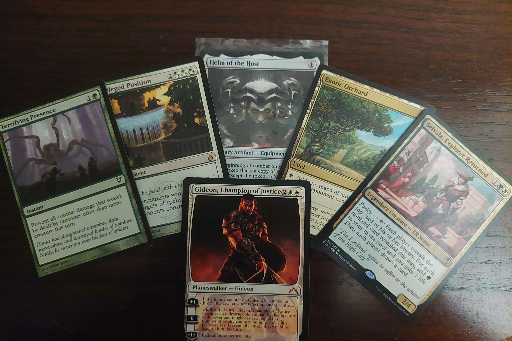
Magic: The Gathering: Alpha (1993) and Beta (1993) cards have black borders. Unlimited cards have white borders. Alpha cards have slightly more rounded corners. The older the printing, the more valuable.
Yu-Gi-Oh: First edition cards have "1st Edition" text near the bottom left of the card image. Early sets like Legend of Blue Eyes White Dragon and Metal Raiders are the most collectible.
Step 3: Identify Rarity
Each trading card game uses rarity symbols:
Pokemon: Circle (common), Diamond (uncommon), Star (rare), Star with holo (holographic rare)
Magic: Black (common), Silver (uncommon), Gold (rare), Orange (mythic rare)
Yu-Gi-Oh: Indicated by card type - Common, Rare, Super Rare, Ultra Rare, Secret Rare
Holographic and foil cards are almost always more valuable than their non-holographic counterparts.
Step 4: Assess Condition
Trading card condition is graded on a 10-point scale by services like PSA, BGS (Beckett), and CGC Cards:
10 (Gem Mint) - perfect in every way
9 (Mint) - near-perfect with one minor flaw
8 (Near Mint-Mint) - minor surface wear or slight imperfections
7 (Near Mint) - slight wear on edges or corners
5-6 (Excellent to Near Mint) - moderate wear visible
1-4 (Poor to Good) - significant wear, creases, or damage
Centering is a major grading factor - if the border widths are uneven, the card may grade lower even if the surface is perfect.
Step 5: Check Recent Sales
Search completed eBay listings for your specific card, edition, and approximate condition. This gives you the most accurate picture of current market value. For graded cards, PSA's auction price database and TCGPlayer's market data are excellent resources.
Value Factors for Trading Cards
Edition and Printing
First editions, limited printings, and promotional cards command the highest prices. Later reprints of the same card are almost always worth less, even for popular cards.
Rarity
Cards that were printed in smaller quantities or only available through special events, tournaments, or promotions are naturally more scarce and more valuable.
Condition and Grade
Professional grading dramatically affects value. A PSA 10 copy of a card can be worth 5 to 50 times more than a PSA 7 of the same card. The premium for perfect condition is enormous in the trading card market.
Competitive and Cultural Significance
Cards that were dominant in competitive play or that hold cultural significance (like Charizard as a fan-favorite Pokemon) tend to maintain strong values regardless of market fluctuations.
Market Trends
The trading card market has seen explosive growth since 2020, driven by nostalgia, social media, and high-profile sales. While some prices have cooled from their 2021 peaks, key cards from major franchises remain strong.
Frequently Asked Questions
Are Pokemon cards from the late 1990s all valuable?
No. Common and uncommon cards from any set are worth very little. The value is concentrated in holographic rares, first editions, and specific chase cards. A complete Base Set in good condition is worth $200 to $500, but most of that value comes from a handful of cards.
How do I know if my Magic cards are from Alpha or Beta?
Alpha cards have slightly more rounded corners than any other Magic printing. Hold an Alpha card next to any other Magic card and the corner difference is visible. Beta cards have the same black borders but standard corners. Both Alpha and Beta have no copyright date on the bottom of the card.
Should I get my cards professionally graded?
For cards potentially worth over $50 raw, professional grading usually makes financial sense. The cost is typically $15 to $50 per card (standard service), and a high grade significantly increases sale value. For cards worth less, grading costs may exceed the value gained.
Are sports trading cards covered here?
This guide focuses on game trading cards (Pokemon, Magic, Yu-Gi-Oh). Sports cards - baseball, basketball, football - have their own robust market with different value drivers. Vintage sports cards can be extremely valuable, particularly pre-war baseball cards and rookie cards of Hall of Fame players.
What's the best way to store valuable cards?
Use penny sleeves inside rigid top-loaders for individual valuable cards. Store top-loaders upright in boxes away from direct sunlight, humidity, and temperature extremes. For long-term storage, a cool, dry environment is essential. Never use rubber bands, paper clips, or adhesive on valuable cards.
Can I sell trading cards online?
Absolutely. eBay, TCGPlayer, and CardMarket are the primary platforms. For high-value graded cards, auction houses like Heritage Auctions and PWCC Marketplace specialize in premium cards. Facebook groups dedicated to specific games also have active buy/sell communities.
Are Japanese cards worth more than English ones?
It depends on the card. For Pokemon, some Japanese exclusive promos (like the Pikachu Illustrator) are the most valuable cards in existence. However, for most standard set cards, English first editions tend to command higher prices than their Japanese counterparts in the Western market.
Last updated: February 2026
Trading Cards Value Guides
Trading Cards Value Guides
Explore More Trading Cards


Want to Know What Your Collection Is Worth?
Our AI appraisal tool is coming soon. Upload photos, get instant identification and valuation.
Get Appraisal