Are My Old Antiques Worth Anything? How to Tell What You Have
You inherited a house full of old things. A stained glass lamp on the end table, a porcelain vase on the mantle, a decorative egg in a glass cabinet, and furniture that looks like it hasn't been made in a century. Your grandmother treasured these pieces. Now you're trying to figure out if they're family heirlooms worth preserving - or if some of them might actually be worth serious money.
Here's the honest answer.
The Quick Answer
Most antiques and decorative art pieces are worth less than people expect. Mass-produced furniture, common ceramics, and decorative items from the early 1900s often sell for $50 to $500 at estate sales. But certain pieces - especially those by renowned makers, from significant artistic periods, or of exceptional rarity - can be worth tens of thousands, hundreds of thousands, or even millions of dollars. The decorative arts market rewards knowledge, and the gap between a $200 lamp and a $200,000 lamp can come down to a single maker's mark.
The key insight? Maker matters more than age. A beautiful hand-painted vase from the 1920s might be worth $100. A Tiffany Studios lamp from the same era could be worth $100,000 or more. Learning to identify makers and their marks is the fastest path to finding hidden value.
The Most Valuable Antiques and Decorative Arts You Might Actually Find
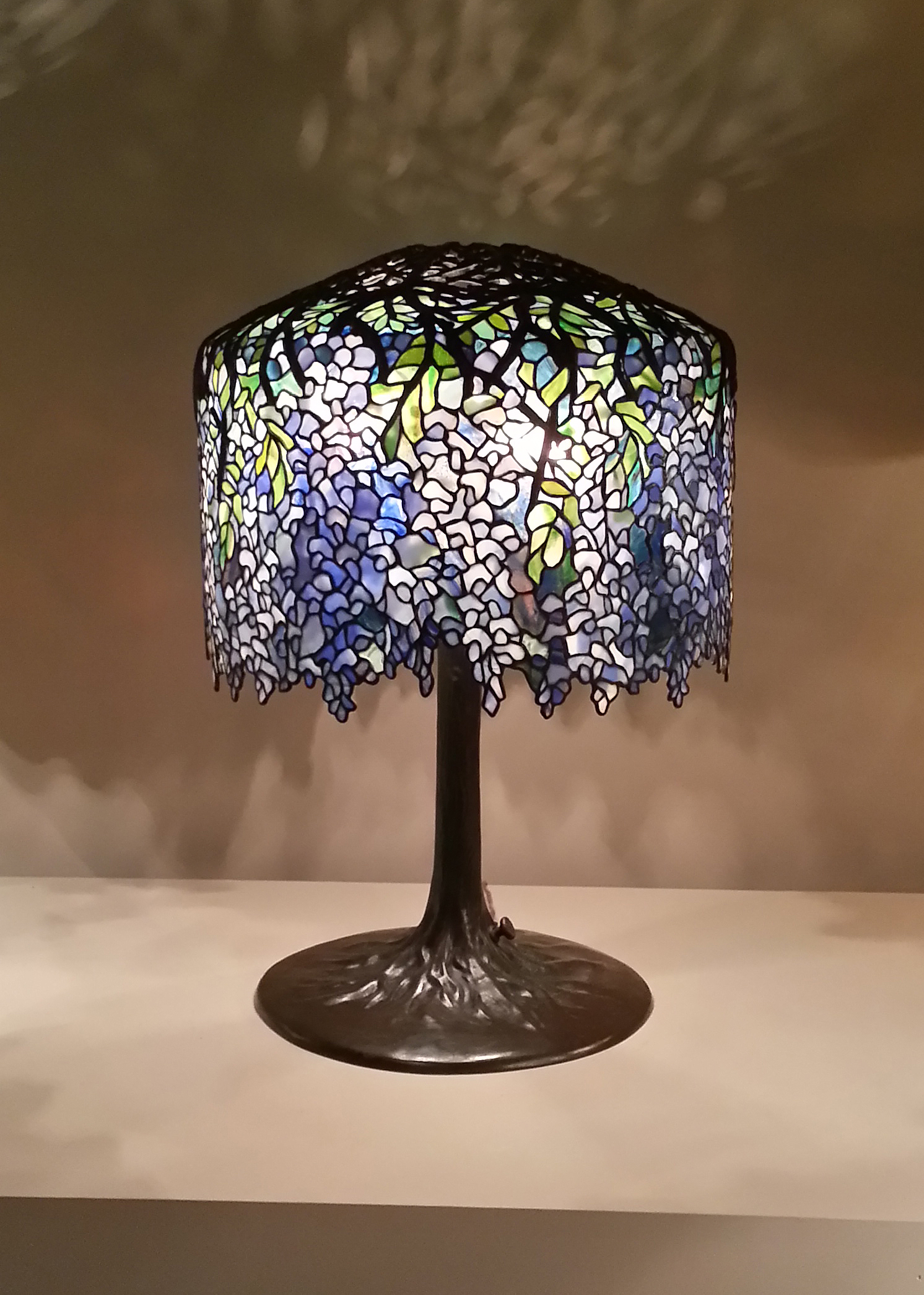
Tiffany Lamp - Wisteria Pattern
Tiffany Studios lamps, produced in New York from the 1890s through the 1930s, are among the most valuable decorative art objects in the world. The Wisteria pattern - with its flowing, organic design of cascading wisteria blooms in leaded glass - is one of the most desirable. Authentic Wisteria lamps sell for $300,000 to over $1 million at auction. Other Tiffany patterns like Dragonfly, Peony, and Pond Lily sell for $50,000 to $500,000 depending on size, condition, and rarity.
Even smaller Tiffany desk lamps and candlesticks can be worth $5,000 to $30,000. If you have any leaded glass lamp with a bronze base, check the base for "Tiffany Studios New York" and a model number.
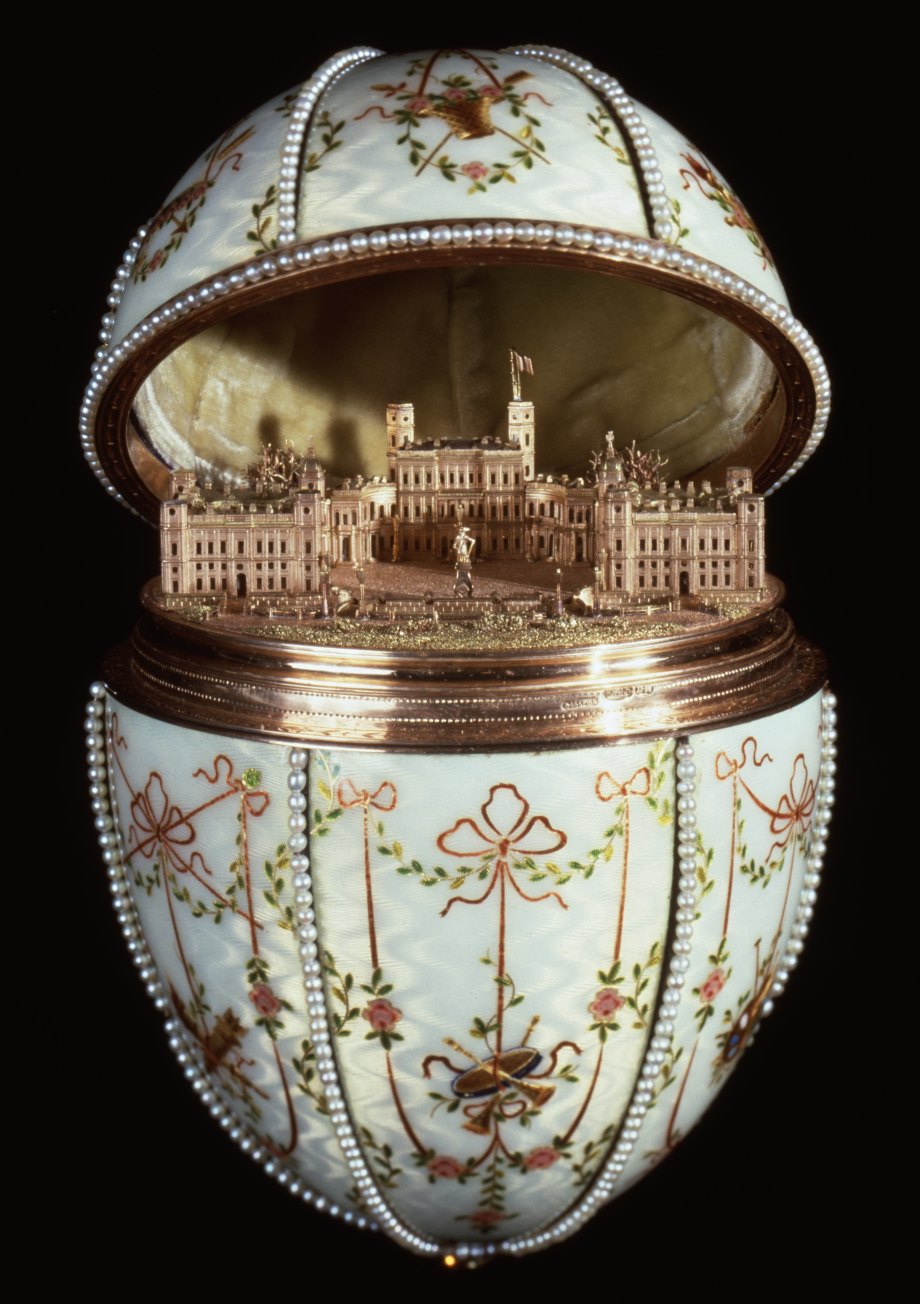
Faberge Egg - Third Imperial Easter Egg
The House of Faberge created 50 jeweled Easter eggs for the Russian Imperial family between 1885 and 1916. Each is a unique masterpiece of goldsmithing and jeweling. The Third Imperial Easter Egg was rediscovered at a flea market in 2014 by a scrap metal dealer who had purchased it for $14,000 - it was later valued at $33 million. While finding a genuine Faberge Imperial Egg is extraordinarily unlikely, the story illustrates why every unusual decorative object deserves a closer look.
Faberge also produced many non-Imperial pieces - cigarette cases, picture frames, and decorative objects - that sell for $5,000 to $500,000 depending on materials and craftsmanship.
Ming Dynasty Blue and White Porcelain Vase
Chinese porcelain from the Ming Dynasty (1368-1644) represents some of the finest ceramics ever produced. Blue and white porcelain vases with imperial marks and documented provenance regularly sell for $100,000 to over $10 million at major auction houses. Even later Qing Dynasty pieces (1644-1912) with imperial marks can be worth six or seven figures.
The challenge is authentication - thousands of later reproductions exist, many quite convincing. If you have Chinese porcelain with hand-painted decoration and marks on the base, it's worth having it evaluated by a specialist.
How to Tell If Your Antiques Are Valuable
Step 1: Look for Maker's Marks
Turn items over, check the undersides, look at the bases, and examine any metal fittings. Many valuable antiques carry marks that identify the maker:
Pottery and porcelain: Marks stamped, painted, or impressed on the bottom
Glass: Engraved signatures, etched marks, or paper labels (often lost)
Furniture: Branded marks, paper labels, or stamps inside drawers or on the back
Silver: Hallmarks stamped into the metal (indicating maker, purity, and date)
Lamps: Marks on the base, often stamped into the metal
Online databases of maker's marks can help you identify what you find. The Kovels' marks database and specialized reference books for specific media are invaluable resources.
Step 2: Assess Quality of Craftsmanship
Valuable decorative art pieces typically exhibit exceptional craftsmanship:
Hand-cut and leaded glass vs. molded or printed glass
Hand-painted decoration vs. transfer-printed patterns
Dovetail joinery in furniture vs. nails or staples
Hand-chased metalwork vs. machine-stamped patterns
Genuine materials - real gold leaf, precious stones, quality hardwoods
The difference between handmade and machine-made is often visible under magnification.
Step 3: Research the Style and Period
Familiarize yourself with major decorative arts movements:
Art Nouveau (1890-1910) - organic, flowing forms inspired by nature
Art Deco (1920-1940) - geometric, streamlined designs
Arts and Crafts (1880-1920) - handcrafted, simple forms emphasizing natural materials
Victorian (1837-1901) - ornate, heavily decorated pieces
Mid-Century Modern (1945-1970) - clean lines, functional forms
Knowing the style helps you identify the period and potential makers.
Step 4: Evaluate Condition and Restoration
For most antiques, original condition is preferred. Look for:
Signs of repair or restoration
Replaced parts or hardware
Refinished surfaces
Cracks, chips, or missing elements
Signs of age that are consistent with the claimed period
Some restoration is expected and acceptable for very old pieces. The key is whether it's been done sympathetically and by skilled craftspeople.
Step 5: Consult Specialists
The antiques market is broad and specialized. No single appraiser knows everything. For potentially valuable items:
Furniture: Consult a specialist in the relevant period and style
Ceramics: Seek out experts in the specific origin (Chinese, European, American)
Glass: Tiffany and art glass specialists are a distinct field
Silver: Hallmark specialists and silver dealers
Fine objects: Major auction houses (Christie's, Sotheby's, Bonhams) offer free preliminary evaluations
Value Factors for Antiques and Decorative Arts
Maker and Attribution
A confirmed attribution to a renowned maker is the single biggest value driver. A Tiffany lamp, a Chippendale chair, a Meissen figurine - the maker's name transforms an attractive antique into a valuable collectible.
Rarity
One-of-a-kind pieces, limited production items, and works from short-lived workshops or artists command premiums. Rarity combined with quality creates the highest values.
Condition
Condition matters enormously, but the standard varies by category. For ceramics, chips and cracks dramatically reduce value. For furniture, some wear and patina are expected and even desirable. For metalwork, original surface finish is important.
Provenance
A documented history of ownership - especially ownership by notable collectors, aristocrats, or institutions - adds significant value. Exhibition history and publication in reference books also increase desirability.
Cultural Significance
Pieces that represent important moments in decorative arts history, or that exemplify the finest work of their period, are valued beyond their aesthetic appeal.
Current Market Trends
The antiques market has shifted significantly. Mid-Century Modern and Art Deco pieces are in high demand. Traditional "brown furniture" (Victorian and Edwardian pieces) has generally declined in value. Asian art and decorative objects remain strong, particularly Chinese and Japanese works.
Frequently Asked Questions
Is old furniture worth anything?
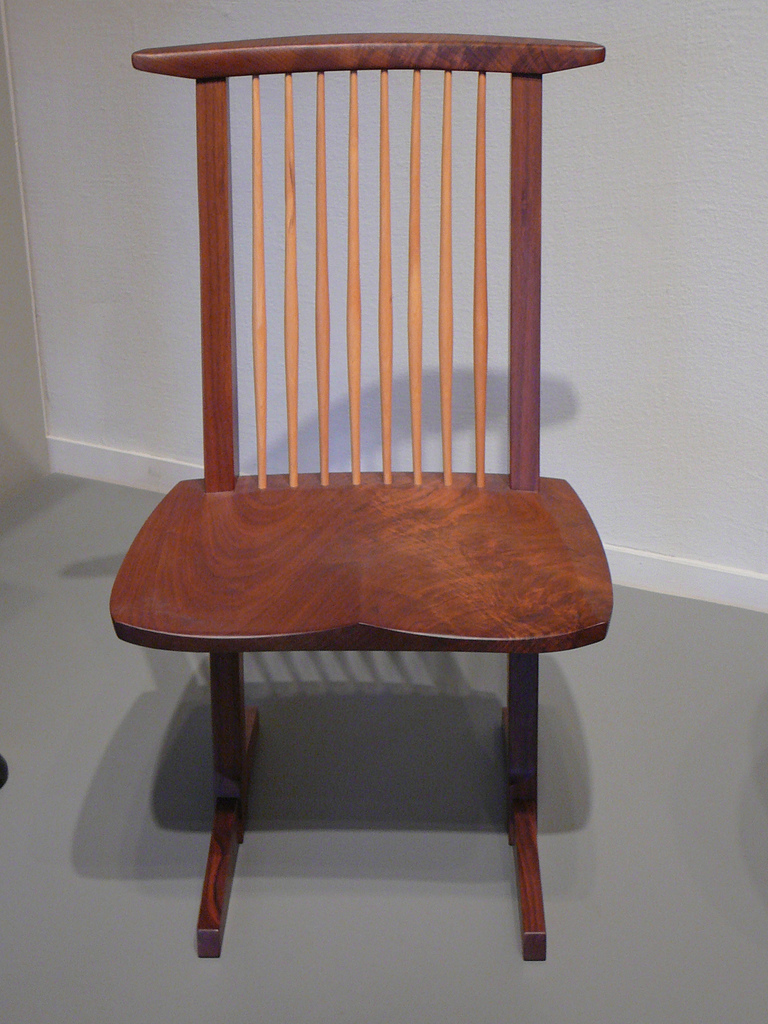
It depends entirely on the maker, style, and condition. Hand-crafted pieces by known makers - Stickley, Nakashima, Eames, Chippendale-period cabinetmakers - can be worth thousands to hundreds of thousands. Mass-produced furniture from the Victorian era and later generally has modest value. The current market favors clean-lined mid-century pieces over ornate traditional styles.
How can I tell if a painting is valuable?
Look for a signature and research the artist. Check the back for gallery labels, exhibition stickers, or inscriptions. The medium matters - original oil paintings and watercolors are more valuable than prints or reproductions. For any artwork that might be significant, consult an art appraiser or auction house specialist.
Are old clocks worth money?
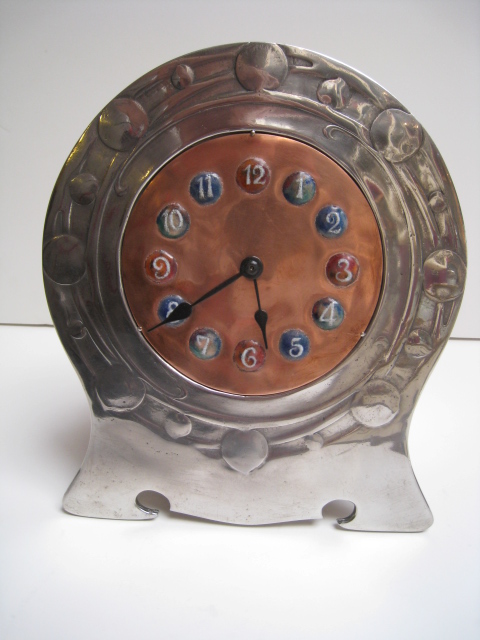
Some are. Grandfather clocks by quality English and American makers, French mantel clocks with ormolu (gilded bronze) mounts, and precision timepieces by brands like Seth Thomas and Howard Miller can be valuable. However, most old clocks are worth $100 to $500. Condition of the movement and case are both important factors.
How do I tell reproduction from genuine antique?
Look for signs of age: wear patterns consistent with use, oxidation on metals, shrinkage in wood, crazing in ceramics. Machine-made screws (with consistent threading) indicate post-1850 manufacture. Phillips head screws indicate post-1930. Check construction methods - genuine period furniture uses techniques consistent with its era.
Should I refinish old furniture?
Almost never, if it might be valuable. Original finish and patina are highly valued by collectors. Stripping and refinishing antique furniture can reduce its value by 50% or more. Clean it gently, but preserve the original surface.
What are the best auction houses for antiques?
For high-value pieces: Christie's, Sotheby's, and Bonhams are the top tier. For mid-range antiques: Heritage Auctions, Skinner, and regional auction houses can be excellent. Many auction houses offer free preliminary valuations and can tell you whether your item is suitable for their sales.
Last updated: February 2026
Antiques & Decorative Arts Value Guides
Antiques & Decorative Arts Value Guides
Explore More Antiques & Decorative Arts







Want to Know What Your Collection Is Worth?
Our AI appraisal tool is coming soon. Upload photos, get instant identification and valuation.
Get Appraisal