Fabergé Egg Third Imperial Easter Egg
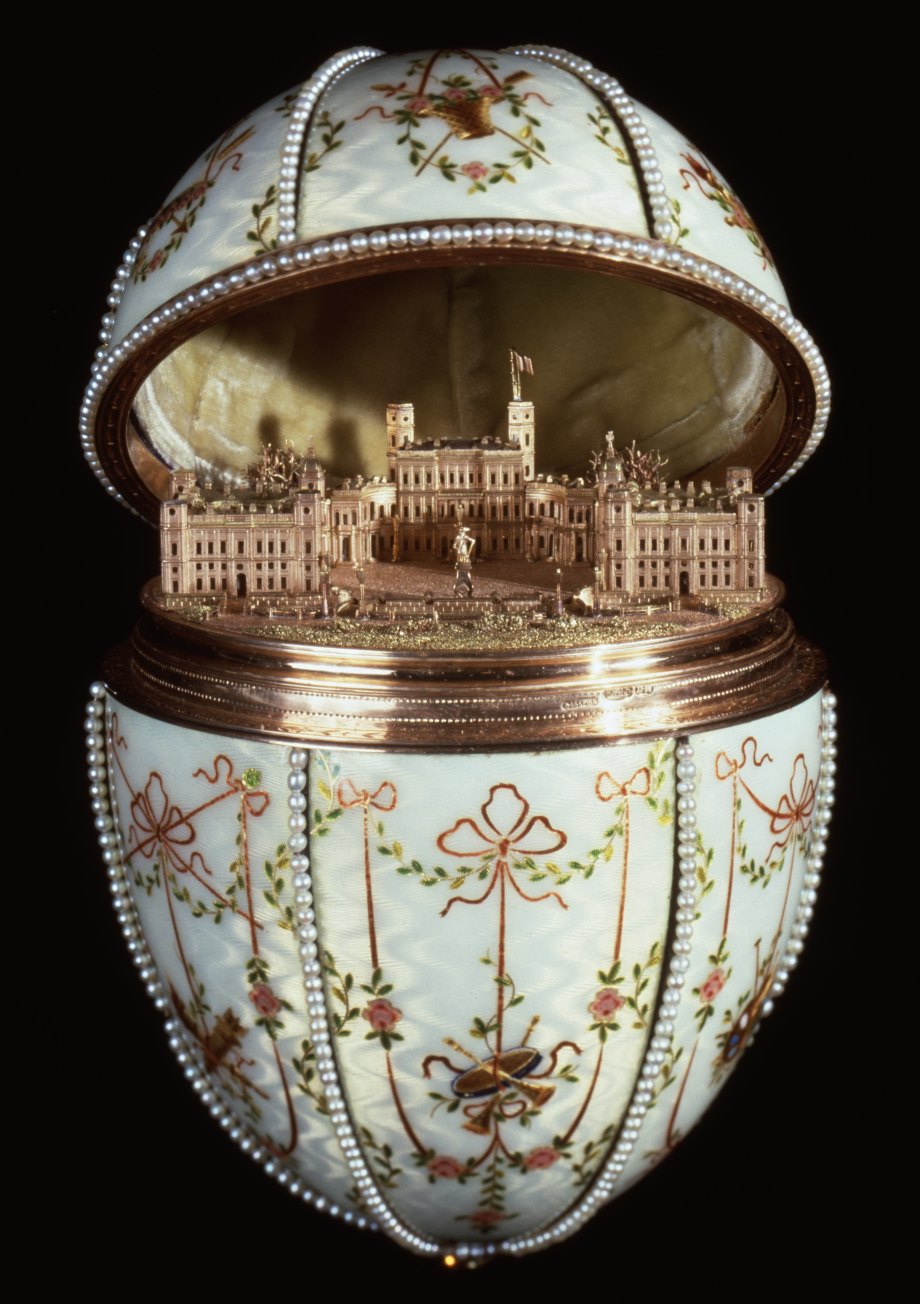
Walters Art Museum, Public domain, via Wikimedia Commons
A scrap metal dealer bought it at a flea market for $14,000. He planned to melt it down for the gold. But the gold content was worth less than he'd paid, so it sat on his shelf. One day, he Googled the Vacheron Constantin watch hidden inside. That search led him to discover he was holding the Third Imperial Easter Egg - one of the most valuable objects in the world, lost for over a century. Its estimated value: $33,000,000.
Quick Value Summary
| Item | Third Imperial Easter Egg (Fabergé) |
| Year | 1887 |
| Category | Antiques & Decorative Arts - Fabergé |
| Maker | House of Fabergé (Peter Carl Fabergé) |
| Commissioned By | Tsar Alexander III for Empress Maria Feodorovna |
| Original Cost | 2,160 rubles (1887) |
| Flea Market Purchase | ~$14,000 |
| Estimated Value | £20 million (~$33,000,000) |
| Rarity | Unique - One of 52 Imperial Easter Eggs |
The Story
In 1885, Tsar Alexander III commissioned Peter Carl Fabergé to create an Easter egg for his wife, Empress Maria Feodorovna. The first egg was a success. The second was even better. By 1887, the annual Imperial Easter Egg had become a tradition - each one more elaborate than the last.
The Third Imperial Egg was relatively modest by Fabergé standards: a ribbed gold shell adorned with a diamond-set crown and a sapphire. But inside - the "surprise" - was a tiny, functioning Vacheron Constantin lady's watch. The Tsar paid 2,160 rubles, and the Empress was delighted.
Then came the Russian Revolution. The Bolsheviks seized the Imperial treasures. The eggs were inventoried, scattered, and some disappeared entirely. The Third Imperial Egg vanished. For over a century, it was listed among the eight "lost" Imperial eggs - treasures that scholars and collectors searched for but couldn't find.
In the 2000s, a scrap metal dealer in the American Midwest bought a gold egg at a flea market. He paid about $14,000, hoping the gold content would turn a profit. It didn't - the egg was worth less as scrap than he'd paid. Frustrated, he put it aside.
Years later, he Googled the tiny watch inside. The results led him to an article about the missing Third Imperial Egg. He contacted Wartski, London's royal jewelers, who authenticated it. The egg he'd nearly destroyed was estimated at £20 million ($33 million).
Wartski brokered a private sale. The egg was sold to a collector. One of history's greatest accidental discoveries - and one of its narrowest escapes.
How to Identify It
You Don't Have One
The Third Imperial Egg is a unique, authenticated object now in private hands. This page exists because its story is extraordinary and because it illustrates how priceless objects can hide in unexpected places.
About Imperial Fabergé Eggs
Fifty-two Imperial Easter Eggs were created between 1885 and 1917. About 44 are accounted for today. Eight remain lost. Each egg was:
Commissioned by the Tsar for the Tsarina (or later, for the Dowager Empress)
Handcrafted by Fabergé's workshop using gold, precious stones, and enamel
Contained a "surprise" inside - often a miniature automaton, portrait, or functional object
Unique - no two eggs were alike
Authentication
Imperial Fabergé eggs are authenticated by:
Leading experts (Wartski, Fabergé Museum in St. Petersburg)
Hallmarks and maker's marks matching Fabergé workshop standards
Imperial account books (the 2,160 ruble payment for the Third Egg is documented in May 1887)
Exhibition catalogs (the Third Egg appeared in the 1902 Von Dervis Mansion Exhibition)
Value Context
| Imperial Egg | Known Value |
|---|---|
| Third Imperial Egg (1887) | ~$33,000,000 (estimated) |
| Winter Egg (1913) | $9,600,000 (Christie's, 2002) |
| Rothschild Egg (1902) | $18,500,000 (Christie's, 2007) |
Imperial Fabergé eggs are among the most valuable decorative art objects in the world. When one comes to market - which is rare - it's international news.
Common Questions
How much is the Third Imperial Egg worth?
Estimated at £20 million (approximately $33 million). It was purchased at a flea market for about $14,000 by a scrap metal dealer who didn't know what he had.
How was it identified?
The scrap dealer Googled the Vacheron Constantin watch inside the egg. That search led him to Wartski in London, who authenticated it by cross-referencing imperial records, the 1902 exhibition catalog, and physical examination.
How many Imperial Fabergé Eggs are missing?
Eight of the 52 Imperial eggs remain unaccounted for. The Third Imperial Egg was the most recent to be rediscovered (confirmed in 2014). The remaining seven could be anywhere - in private collections, in storage, or destroyed.
Could another lost Fabergé egg turn up at a flea market?
It already happened once. The remaining lost eggs could be in estate sales, antique shops, or private collections where their significance isn't recognized. That's what makes the Third Imperial Egg story so compelling - and so hopeful for treasure hunters.
Related Items
Have This Item?
Our AI appraisal tool is coming soon. Upload photos, get instant identification and valuation.
Get Appraisal