Stevie Wonder - Innervisions (1973 Tamla First Pressing)
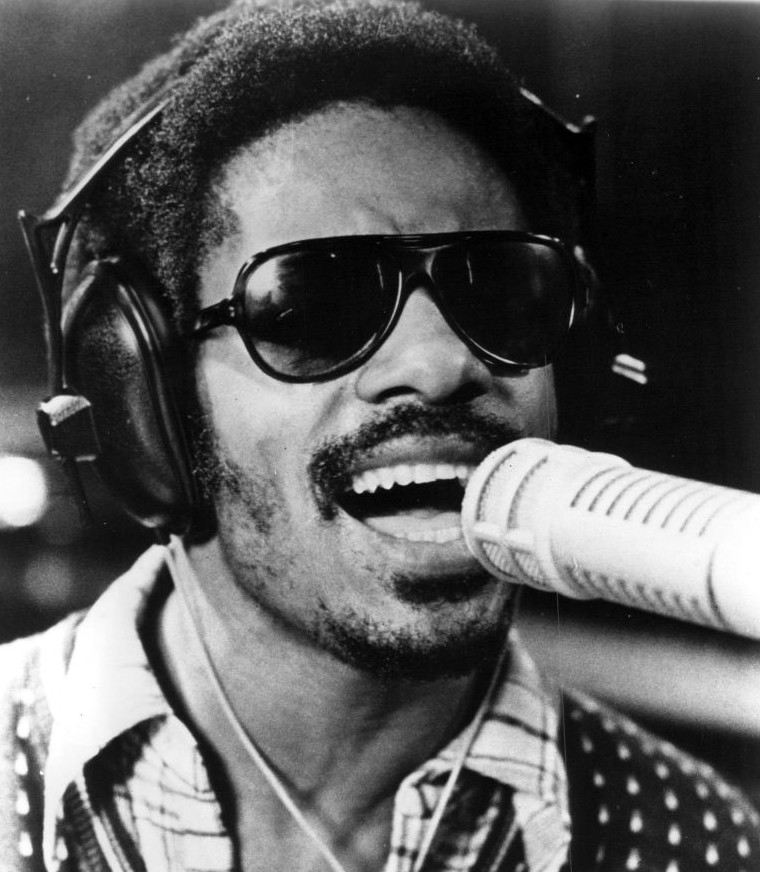
Motown Records, via Wikimedia Commons (Public Domain)
Some albums change music. Innervisions changed everything. Released on August 3, 1973, on the Tamla label (a subsidiary of Motown Records), Stevie Wonder's sixteenth studio album is widely regarded as one of the greatest records ever made. For vinyl collectors, the original 1973 first pressing represents the definitive way to experience this masterpiece: the sound quality, the gatefold artwork, and the tactile experience of handling a piece of music history combine to make this one of the most sought-after soul and R&B pressings of the 1970s.
The Album That Defined a Genius
By 1973, Stevie Wonder had already spent more than a decade as a Motown artist. He signed with the label at age 11, scored his first number-one hit at 13 with "Fingertips," and gradually evolved from a teenage prodigy into one of the most innovative musicians in popular music. The early 1970s marked Wonder's creative peak, a period sometimes called his "classic period," during which he released four consecutive albums of staggering ambition and quality: Music of My Mind (1972), Talking Book (1972), Innervisions (1973), and Fulfillingness' First Finale (1974).
Innervisions was the creative apex of this remarkable run. Wonder wrote, produced, and performed virtually every element of the album, playing keyboards, synthesizers, drums, harmonica, and providing vocals. His mastery of the Moog synthesizer and ARP synthesizer gave the album a sonic palette that was unlike anything else being produced at the time. Songs like "Living for the City," "Higher Ground," and "Too High" blended funk, soul, jazz, and pop with socially conscious lyrics that addressed poverty, drug abuse, racism, and spiritual seeking.
The album won three Grammy Awards, including Album of the Year, and its influence on subsequent generations of musicians is incalculable. It consistently appears in critics' polls of the greatest albums ever recorded, typically ranking in the top 25.
Identifying the First Pressing
For vinyl collectors, knowing how to identify a genuine 1973 Tamla first pressing of Innervisions is essential. Here are the key identifiers:
Label: The first pressing was released on the Tamla label, catalog number T 326L. The label design should be the standard Tamla brown and yellow color scheme used during this period. The label text reads "Tamla" at the top with the Motown globe logo.
Matrix numbers: Check the dead wax (the area between the last groove and the label) for matrix/catalog information. First pressings will show specific matrix numbers consistent with the initial pressing run. Look for "T-326L" with a "1" or "A" suffix indicating first stamper.
Gatefold sleeve: The original pressing came in a gatefold sleeve with lyrics printed on the inner panels. The cover art, designed by Efram Wolff, features a surrealist illustration of Wonder standing in front of a landscape of inner visions, with imagery reflecting the album's themes.
"Superior Pressing" variant: Some first pressings carry a "Superior" designation, indicating they were pressed at a specific plant known for higher quality vinyl. These copies are particularly valued by audiophile collectors.
Weight and feel: First pressings were typically pressed on heavier vinyl stock than later reissues. While this is not a definitive identifier on its own, it can provide a supporting clue.
Condition and Value Guide
The value of a 1973 Tamla first pressing of Innervisions depends heavily on the condition of both the vinyl record and the gatefold sleeve.
| Condition (Vinyl/Sleeve) | Description | Price Range |
|---|---|---|
| Mint/Sealed | Factory sealed, original shrink wrap intact | $200 - $350 |
| Near Mint/Near Mint | Unplayed or near-unplayed, pristine sleeve | $100 - $175 |
| VG+/VG+ | Light play wear, minor sleeve wear | $40 - $70 |
| VG/VG | Noticeable surface noise, visible sleeve wear | $20 - $35 |
| G+/G+ | Heavy play wear, audible surface noise | $10 - $20 |
| G/Fair | Plays through but significant noise, damaged sleeve | $5 - $10 |
Several factors can increase value beyond these baseline ranges:
Original inner sleeve: Copies with the original Motown printed inner sleeve (rather than a generic replacement) are worth more.
Promo copies: White label promotional copies distributed to radio stations can command a premium, particularly if in clean condition.
Specific pressing plants: Copies pressed at certain facilities may be preferred by audiophile collectors for superior sound quality.
Complete inserts: Any original inserts, stickers, or hype materials that accompanied the first pressing add to the completeness and value.
The Vinyl Experience
There is a reason collectors seek out original pressings of Innervisions rather than simply streaming the album or purchasing a modern reissue. The sonic characteristics of a well-maintained first pressing are distinct from digital versions and even from most reissues.
The Tamla first pressing captures the original mastering decisions made at the time of the album's release. Stevie Wonder and his engineering team, working primarily at Crystal Studios and Electric Lady Studios, crafted a specific sonic vision that was optimized for vinyl playback. The bass response, the dynamic range, and the spatial qualities of the original pressing reflect those decisions in a way that later transfers and remasters may not fully replicate.
This is not to say that modern reissues are inferior. Several excellent reissues have been produced over the years, including well-regarded 180-gram versions. But for the collector who wants to hear the album as close to its original form as possible, the 1973 first pressing remains the standard.
Playing a clean copy of the first pressing on a quality turntable system reveals details and textures that reward careful listening. The Moog synthesizer lines on "Too High" shimmer with a warmth that digital formats sometimes flatten. The bass groove on "Higher Ground" has a physical presence that you can feel as much as hear. And the stunning arrangement of "Visions" unfolds with a spaciousness that rewards the vinyl format's natural characteristics.
The Album's Legacy
Innervisions was released during a turbulent period in American history. The Vietnam War was winding down, the Watergate scandal was consuming the Nixon administration, and the social upheavals of the 1960s were still reverberating through American society. Wonder addressed all of this in his music, combining pointed social commentary with deeply personal spiritual expression.
"Living for the City" told the story of a young Black man from Mississippi who comes to New York City seeking opportunity, only to be exploited and imprisoned. The song's seven-minute narrative structure, complete with a dramatic spoken-word interlude depicting the character's arrest, was groundbreaking in its ambition and emotional impact.
"Higher Ground" explored themes of reincarnation and spiritual striving over one of the most infectious funk grooves ever recorded. Wonder reportedly recorded his vocal in a single take, a fact that seems almost unbelievable given the precision and energy of the performance.
Just three days after the album's release, Stevie Wonder was severely injured in a car accident when the vehicle in which he was a passenger struck a logging truck. He was in a coma for four days and lost his sense of smell permanently. The accident added a layer of poignancy to an album already suffused with themes of vision, perception, and transcendence.
Collecting Stevie Wonder Vinyl
Innervisions exists within a broader ecosystem of collectible Stevie Wonder vinyl. For those looking to build a Wonder collection, the "classic period" albums are the most sought-after:
| Album | Year | First Pressing Value (NM) |
|---|---|---|
| Music of My Mind | 1972 | $50 - $100 |
| Talking Book | 1972 | $60 - $120 |
| Innervisions | 1973 | $100 - $175 |
| Fulfillingness' First Finale | 1974 | $40 - $80 |
| Songs in the Key of Life | 1976 | $80 - $150 |
Innervisions sits at the top of this group in terms of collector demand, though Songs in the Key of Life (a double album with a bonus EP) also commands strong interest. Owning all five "classic period" albums in first pressing form is a worthy and achievable collecting goal.
Storage and Care
Vinyl records require proper storage to maintain their condition and value. Here are essential care practices for a first pressing of Innervisions:
Store vertically. Never stack records horizontally, as the weight can warp the vinyl and damage sleeves.
Use inner sleeves. If the original inner sleeve is fragile, place it inside a new polyethylene inner sleeve to protect both the sleeve and the record.
Control temperature and humidity. Store records in a cool, dry environment away from direct sunlight. Heat and moisture are vinyl's worst enemies.
Handle by the edges and label. Never touch the grooved surface with bare fingers. The oils from your skin can attract dust and degrade the vinyl over time.
Clean before playing. Use a carbon fiber brush or a proper record cleaning solution to remove dust and static before each play session.
A well-maintained first pressing of Innervisions can provide decades of listening pleasure while preserving its collectible value. These records were built to last, and with proper care, they do.
Innervisions remains one of the towering achievements in recorded music. Owning the original 1973 Tamla first pressing is as close as a vinyl collector can get to holding that achievement in their hands.
Related Items
Have This Item?
Our AI appraisal tool is coming soon. Upload photos, get instant identification and valuation.
Get Appraisal