Are My Old Musical Instruments Worth Anything? How to Tell What You Have
You found an old guitar in the back of a closet. Maybe it was your father's, maybe it belonged to a relative who played in a band decades ago. The case is dusty, the strings are dead, and there's a crack in the finish. Or maybe you've inherited a violin, a piano, or a trumpet that's been sitting in an attic for years. Now you're wondering: could this old instrument actually be worth real money?
Here's the honest answer.
The Quick Answer
Most old musical instruments are worth modest amounts - $50 to $500 for common guitars, violins, and brass instruments in average condition. But certain instruments from specific manufacturers, eras, and production runs can be worth $5,000, $50,000, or even millions of dollars. The vintage instrument market is driven by brand reputation, build quality, tonal characteristics, and the mystique of certain production eras.
The most important factors? Who made it, when it was made, and how original it is. A 1959 Gibson Les Paul Standard is worth more than most new cars. A generic imported guitar from the same year might be worth $100. Knowing what you have is everything.
The Most Valuable Instruments You Might Actually Find
1963 Fender Stratocaster Pre-CBS
Fender guitars made before CBS Corporation bought the company in January 1965 are known as "pre-CBS" instruments and are among the most coveted electric guitars in the world. A 1963 Stratocaster in original condition with its original finish sells for $30,000 to $80,000 depending on color and condition. Custom colors like Lake Placid Blue or Surf Green command even higher premiums.
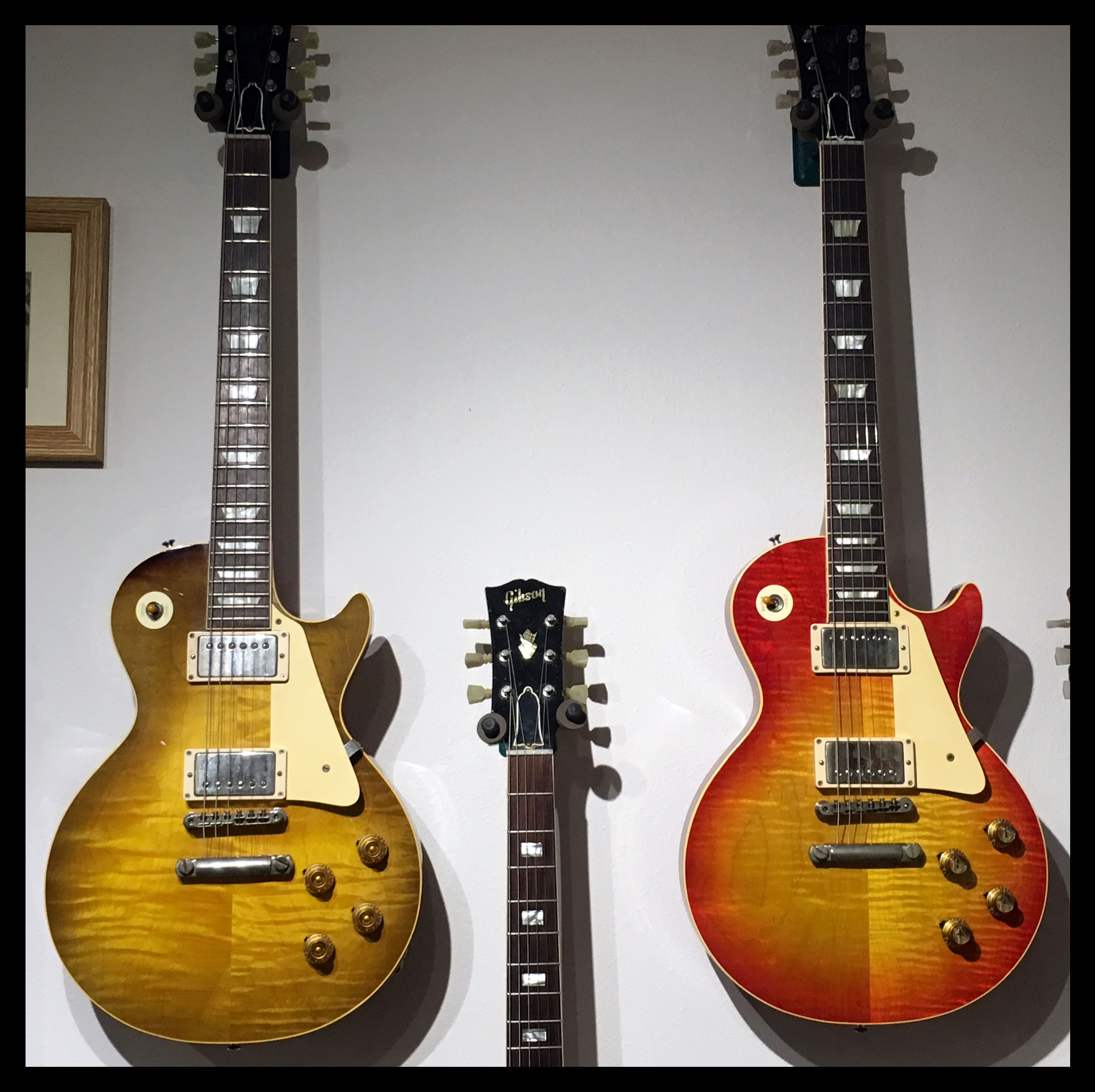
1959 Gibson Les Paul Standard
Often called the holy grail of electric guitars. Only about 643 were made in 1959, and they're universally regarded as the finest electric guitars ever produced. Original examples sell for $250,000 to $500,000 or more. Even refinished or modified examples sell for six figures. The 1958 and 1960 Standards are also extremely valuable, though the 1959 commands the highest premiums.
Stradivarius Violin - Lady Blunt 1721
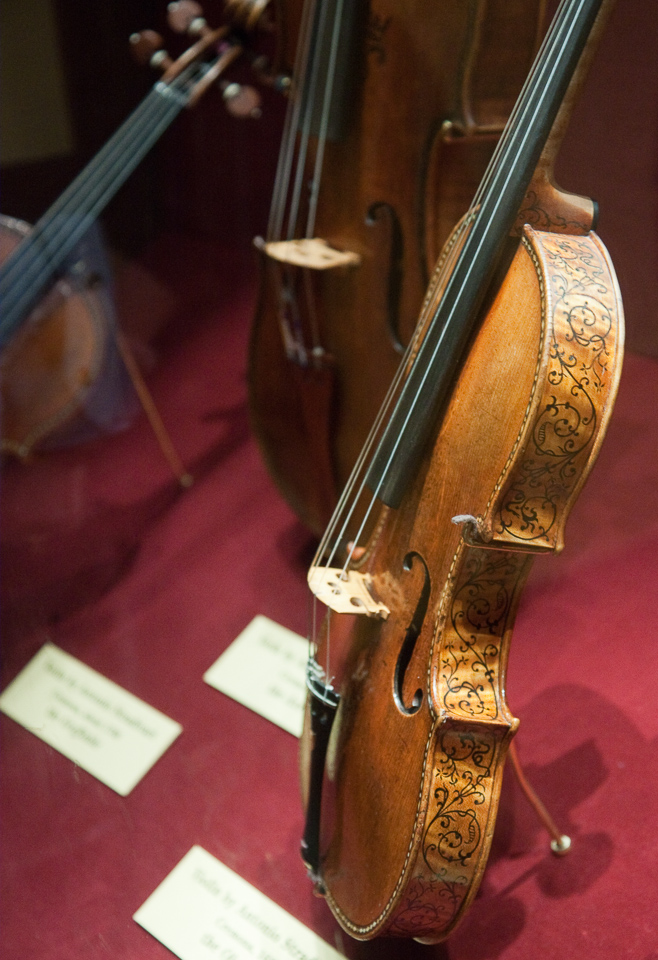
Antonio Stradivari made approximately 1,100 instruments in the late 1600s and early 1700s, of which about 650 survive. The "Lady Blunt" Stradivarius, made in 1721, sold at auction for $15.9 million in 2011. Even lesser-known Stradivari instruments sell for $2 million to $10 million. If you think you have a Stradivarius, get it authenticated immediately - but be aware that thousands of instruments bear fake Stradivarius labels.
1960 Martin D-28
The Martin D-28 is the most famous acoustic guitar model in history. Pre-war (before 1944) D-28s with scalloped bracing are the most valuable, selling for $30,000 to $80,000. Models from the late 1950s and 1960s sell for $5,000 to $15,000 depending on condition. The D-28 has been in continuous production since 1931, so identifying the specific era is important.
How to Tell If Your Instrument Is Valuable
Step 1: Identify the Manufacturer
Look for the brand name on the headstock (guitars), inside the body through the f-holes or sound hole (violins and acoustic guitars), or on the bell (brass instruments). The brand is the single biggest indicator of potential value.
Most valuable guitar brands: Fender, Gibson, Martin, Gretsch, Rickenbacker Most valuable orchestral brands: Stradivari, Guarneri, Amati (violins); Steinway, Bosendorfer (pianos) Valuable but less obvious: Guild, Epiphone (pre-Gibson ownership), National, Dobro, Selmer (saxophones)
Step 2: Determine the Year of Manufacture
Most guitars have serial numbers that can be cross-referenced with manufacturer databases to determine the year of production. For Fender and Gibson guitars, numerous online resources decode serial numbers by era. For violins, the label inside the body often includes a date, though these are frequently forged on cheap instruments.
Step 3: Assess Originality
In the vintage instrument market, originality is crucial:
Original finish - has the instrument been refinished or repainted? Refinished guitars lose 40-60% of their value
Original hardware - are the tuners, bridge, pickups, and other hardware original to the instrument?
Original electronics - for electric guitars, have the pickups, pots, or wiring been changed?
Structural integrity - are there cracks, repairs, neck resets, or replaced parts?
A "player grade" vintage guitar with modifications might be worth $5,000, while the same model in all-original condition could be worth $50,000.
Step 4: Check the Condition
Look for:
Cracks in the finish or wood
Fret wear (how worn are the metal frets?)
Neck straightness (does the neck bow or warp?)
Binding condition (is the decorative binding separating or deteriorating?)
Case condition (original cases add value, especially hard cases with original latches and lining)
Step 5: Get a Professional Appraisal
For any instrument that might be worth over $1,000, consult a specialized dealer or luthier. Vintage guitar shops, auction houses like Heritage Auctions, and instrument appraisers can provide accurate valuations. For string instruments that might be by notable makers, specialized violin dealers and authentication experts are essential.
Value Factors for Musical Instruments
Manufacturer and Model
Certain manufacturer-model combinations are highly sought after. A 1959 Gibson Les Paul Standard, a pre-war Martin D-45, or a pre-CBS Fender Telecaster - these specific combinations of brand, model, and era create the highest values.
Era of Production
Most collectible guitar brands had "golden eras" when their craftsmanship and materials were at their peak:
Fender: 1950-1964 (pre-CBS)
Gibson: 1952-1960 (Les Paul Standards), 1934-1942 (acoustics)
Martin: 1930-1944 (pre-war), 1950s-1960s
Originality and Provenance
All-original instruments command massive premiums. Celebrity provenance - an instrument owned or played by a famous musician - can multiply value enormously. Eric Clapton's "Blackie" Stratocaster sold for $959,500 at auction.
Tonal Quality
Unlike most collectibles, instruments are functional tools. A vintage guitar that sounds exceptional has an additional layer of desirability. The best vintage instruments are valued both as collectibles and as working tools by professional musicians.
Market Demand
The vintage instrument market has been consistently strong for decades, particularly for American-made guitars from the 1950s and 1960s. Economic downturns can cause temporary dips, but quality vintage instruments have historically recovered and appreciated over time.
Frequently Asked Questions
Is every old guitar valuable?
No. Cheap student-grade guitars, department store instruments, and mass-produced imports from any era are generally worth very little regardless of age. The value is concentrated in instruments from recognized quality manufacturers.
How do I know if a violin label saying "Stradivarius" is real?
Almost certainly, it's not. Thousands of mass-produced violins over the past two centuries have included labels reading "Stradivarius" or "Copy of Stradivarius" as a model designation, not a claim of authenticity. A genuine Stradivari instrument requires authentication by recognized experts. If you think there's any chance it's real, take it to a reputable violin dealer for evaluation.
Are Asian-made vintage guitars worth anything?
Some are. Japanese-made guitars from the 1960s and 1970s by brands like Tokai, Greco, and Ibanez (especially their "lawsuit era" copies of American designs) have developed their own collector following. High-quality Japanese instruments from this era can sell for $500 to $5,000.
Does refinishing destroy a guitar's value?
It significantly reduces it - typically by 40-60% for desirable vintage guitars. However, a refinished 1959 Les Paul Standard is still worth well over $100,000. The impact is proportional to the instrument's overall desirability and rarity.
Should I have an old instrument repaired before selling?
For minor setup work (new strings, action adjustment), yes. For structural repairs, consult with a dealer first. Improper repairs can reduce value, while proper repairs by a skilled luthier can increase it. Never attempt amateur repairs on a potentially valuable instrument.
Are old pianos worth a lot?
Generally, no. Most old pianos - even from well-known brands - are worth less than the cost of moving them. The exceptions are concert-quality Steinway grands, certain European makers like Bosendorfer and Bechstein, and ornate Art Case pianos with decorative finishes. A standard upright piano from the early 1900s typically has minimal resale value.
Last updated: February 2026
Musical Instruments Value Guides
Musical Instruments Value Guides
Explore More Musical Instruments











Want to Know What Your Collection Is Worth?
Our AI appraisal tool is coming soon. Upload photos, get instant identification and valuation.
Get Appraisal